Humane Bird and Bat Deterrent Methods for Large Buildings
People searching for humane bird and bat deterrent methods for large buildings aim to protect property while safely discouraging animals, with local service providers ready to assist.
If you own or manage large buildings in the area, understanding humane bird and bat deterrent methods can be essential for maintaining a safe and clean environment. Birds and bats often seek shelter in high or sheltered spots, which can lead to issues like property damage, health concerns, or unwanted noise. Exploring effective, humane strategies ensures that these creatures are kept at a respectful distance without harm, helping to preserve the integrity of the building and its surroundings. Local service providers specializing in humane bird and bat deterrent methods are equipped to offer practical solutions tailored to the unique needs of large properties.
Many property owners find that implementing humane deterrent methods is a responsible approach that benefits both the building and local wildlife. Professionals in the area can help identify the most appropriate techniques to discourage birds and bats from roosting or nesting, often using non-lethal, ethical methods that prevent future issues. Whether it's installing deterrent devices or modifying building features, these local contractors focus on humane solutions that align with property management goals. Keep reading to learn more about how experienced service providers can assist with humane bird and bat deterrent methods for large buildings.
- Humane bird and bat deterrent methods for large buildings - are often needed when birds or bats are nesting or roosting in difficult-to-reach areas, and local contractors use humane techniques to discourage their presence. Humane bird and bat deterrent methods for large buildings - may be sought when pests are causing damage or sanitation issues, with service providers implementing non-lethal solutions like exclusion and habitat modification. Humane bird and bat deterrent methods for large buildings - are necessary when large colonies threaten building integrity, and local pros approach this by installing humane barriers and repellents that prevent access. Humane bird and bat deterrent methods for large buildings - are often requested in urban environments where preserving wildlife while protecting property is a priority, with local contractors tailoring humane strategies to each structure. Humane bird and bat deterrent methods for large buildings - come into play when property owners want to avoid harm to wildlife, and service providers focus on humane, effective exclusion and deterrent techniques.
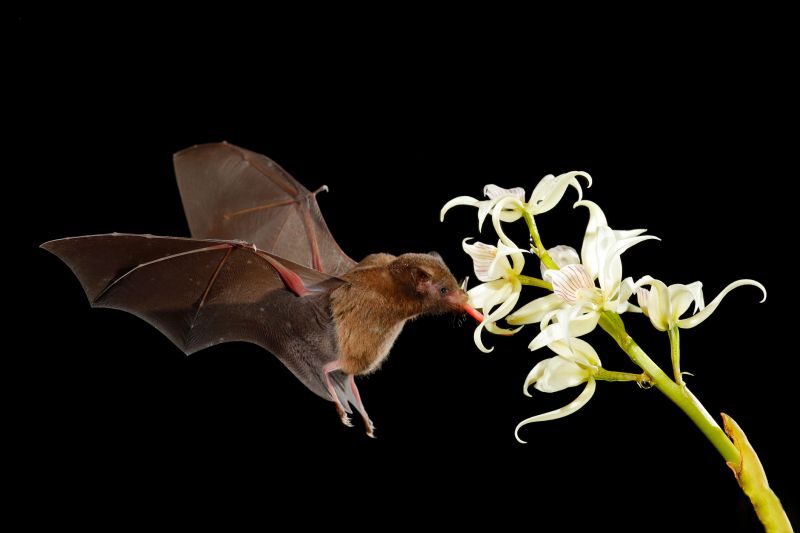
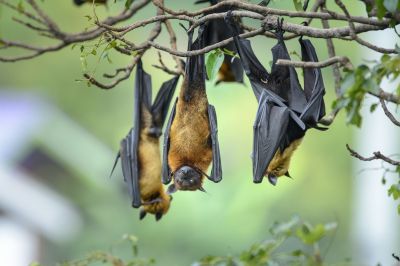

When searching for humane bird and bat deterrent methods for large buildings, most people are looking for ways to prevent birds and bats from roosting or nesting in or around their properties without causing harm. This concern often arises when large buildings-such as warehouses, office complexes, or apartment complexes-experience issues with bird droppings, nesting debris, or bat colonies that can lead to property damage, health concerns, or sanitation problems. Property owners and managers typically want effective solutions that protect the animals while ensuring the building remains clean, safe, and compliant with local regulations. Understanding this balance is key to choosing the right deterrent methods, and local service providers specializing in humane bird and bat exclusion can help develop customized plans that address these specific needs.
These projects are frequently connected to property maintenance, pest management, or building preservation plans. Large buildings often have extensive rooflines, ledges, and eaves that provide ideal nesting or roosting sites for birds and bats. When these animals settle in, they can create significant messes and potential health risks, prompting property owners to seek humane deterrent options. The goal is to remove the animals without causing injury or stress, which means traditional exclusion methods-like netting, spikes, or visual deterrents-must be carefully implemented. Local contractors experienced in humane bird and bat deterrent methods understand how to assess each property’s unique features and develop strategies that effectively discourage animals from settling in while respecting their well-being.
The types of properties that commonly require humane bird and bat deterrent methods for large buildings include commercial facilities, institutional buildings, industrial warehouses, and multi-unit residential complexes. These properties often have large, flat surfaces, open eaves, and high ledges that attract nesting and roosting birds and bats. In many cases, the presence of these animals is seasonal, but the impact on property cleanliness and health can be ongoing. Property owners may also need to address local regulations or building codes related to wildlife exclusion, making it important to work with experienced service providers who understand humane methods and legal considerations. These professionals can help design and install deterrent systems that are both effective and compliant with local wildlife protection guidelines.
Humane bird and bat deterrent methods for large buildings involve a variety of practical solutions tailored to prevent animals from settling in or returning. These include physical barriers like bird netting, spike strips, and one-way exclusion doors that allow animals to leave but not re-enter. Visual deterrents such as reflective devices or predator decoys can also be used to discourage roosting. Importantly, these methods are designed to be humane, avoiding harm or stress to the animals while effectively discouraging their presence. Local service providers specializing in these techniques can evaluate the specific building features and wildlife activity, then recommend and install the most appropriate deterrent systems. This approach helps property owners maintain a clean, safe environment while respecting the well-being of the local wildlife.
Bird Control System Installation - local contractors specialize in installing humane bird deterrent systems on large buildings, utilizing tools and planning similar to those used for bird and bat exclusion methods.
Wildlife Exclusion Projects - professionals handle projects that involve humane exclusion of various wildlife species, applying planning skills relevant to humane bird and bat deterrent strategies.
Building Façade Protection Services - experts work on protecting building exteriors from animal entry, requiring similar techniques and planning as humane deterrent methods for large structures.
Roost and Nest Removal Services - local service providers conduct humane removal of bird and bat roosts, paralleling the skills needed for humane deterrent installations on large buildings.
Structural Repair and Sealing - contractors focus on sealing entry points to prevent wildlife access, employing planning and tools similar to those used for humane deterrent methods.
Perimeter Deterrent System Deployment - professionals install humane deterrent devices around building perimeters, utilizing comparable tools and approaches as those for bird and bat deterrent projects.
When evaluating service providers for humane bird and bat deterrent methods for large buildings, it is important to consider their experience with similar projects. A contractor who has successfully handled large-scale bird and bat exclusion efforts will be more familiar with the unique challenges that come with different building types and structures. Asking about past projects can help determine if a provider has the practical knowledge needed to implement effective and humane deterrent solutions tailored to large buildings, ensuring that the approach taken is appropriate and reliable.
Clear written expectations are essential when choosing a service provider. A reputable contractor should be able to outline the scope of work, the methods they plan to use, and the expected outcomes in a straightforward and transparent manner. This helps ensure that both parties have a shared understanding of the project goals and reduces the risk of misunderstandings. Well-documented plans also provide a basis for evaluating whether the proposed approach aligns with humane practices and the specific needs of the building and its wildlife.
Good communication and reputable references are key indicators of a dependable service provider. Contractors who are responsive and willing to provide references from previous clients demonstrate professionalism and accountability. Speaking with past customers can offer insights into the contractor’s reliability, work quality, and ability to address concerns throughout the project. Effective communication throughout the process helps ensure that questions are answered promptly and that the project proceeds smoothly, which is particularly important when implementing humane deterrent methods that require careful planning and ongoing adjustments.
Property owners often search for humane bird and bat deterrent methods for large buildings when they are planning practical projects around their homes and businesses. Local pros provide Humane Bird and Bat Deterrent Methods services for everyday jobs and straightforward project options.
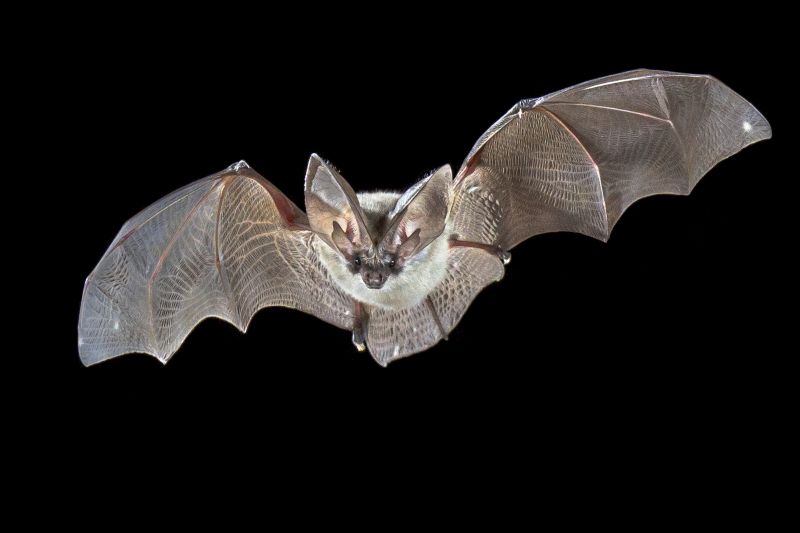
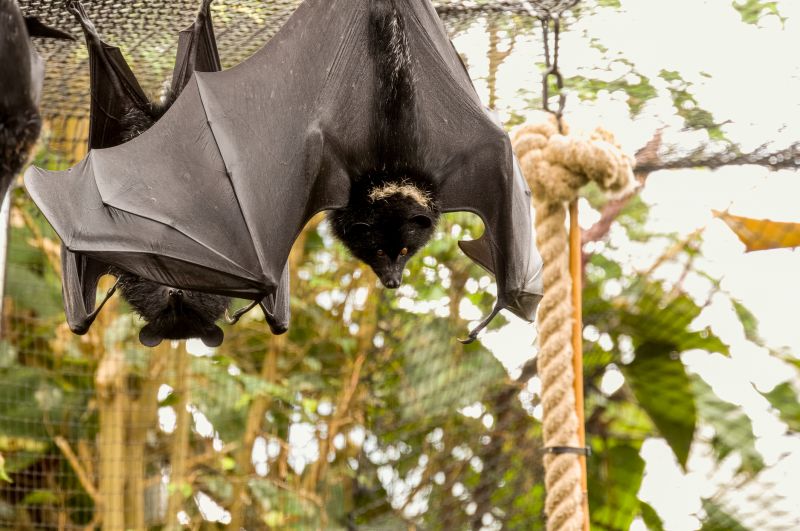
Many property owners with large buildings in the area may notice increased bird and bat activity, especially during certain seasons. These animals often seek shelter or roosting spots on rooftops, ledges, or building facades, which can lead to issues like debris buildup, noise, or damage. For those looking to address these concerns humanely, exploring bird and bat deterrent methods that prioritize animal welfare is a common step. Local service providers specializing in humane deterrent solutions can help assess the situation and recommend effective strategies to discourage animals from settling on or around large structures.
Property owners might turn to local contractors for humane bird and bat deterrent methods when they want to prevent animals from nesting or roosting without causing harm. Simple deterrent techniques, such as installing bird spikes or using visual repellents, are often used to discourage animals from landing on building surfaces. These methods can be suitable for large buildings where traditional exclusion might be challenging. Connecting with experienced local pros ensures that humane solutions are implemented properly, helping property owners maintain a clean and safe environment while respecting wildlife.
What are humane bird and bat deterrent methods for large buildings? Humane bird and bat deterrent methods for large buildings include installing visual and physical deterrents that discourage roosting without causing harm, such as bird spikes, netting, and reflective devices. Local service providers can assess the building and recommend effective solutions that align with humane practices.
How do humane deterrent methods prevent birds and bats from roosting? These methods work by making the building less appealing or accessible for roosting, using non-lethal techniques like sonic devices, visual scare tactics, or physical barriers that discourage birds and bats from settling on the structure.
Are humane deterrent methods safe for birds and bats? Yes, humane deterrent methods are designed to prevent roosting without causing injury or stress to birds and bats. Professional service providers ensure that the chosen techniques are safe and effective for wildlife.
Can humane bird and bat deterrent methods be applied to large buildings? Absolutely, many humane deterrent methods are suitable for large structures and can be scaled accordingly. Local contractors have experience installing these solutions on buildings of various sizes.
What types of deterrent devices do local pros typically use for humane bird and bat control? Common devices include bird spikes, netting, visual repellents, sonic deterrents, and structural modifications, all designed to be humane and effective for large buildings. Service providers can recommend the best options based on the building’s design and wildlife presence.
Bird and Bat Deterrent Installations - Property owners can work with local contractors to install humane deterrent devices on building exteriors, preventing birds and bats from roosting.
Bird and Bat Deterrent Maintenance - Regular upkeep of deterrent systems by local service providers ensures ongoing effectiveness and adapts to changing bird and bat behaviors.
Designing Bird and Bat Exclusion Strategies - Professionals can assess building layouts to develop customized, humane exclusion plans that minimize bird and bat entry points.
Monitoring and Adjusting Deterrent Systems - Local contractors can evaluate the success of deterrent methods over time and make humane adjustments to improve results.
If you are thinking about humane bird and bat deterrent methods for large buildings for a property, this guide is meant to help you understand this topic, the typical project types, and how different options might fit your plans.
When you are ready, you can use the quote form on this page to share a few details about your project. From there, local pros can review the basics and follow up with options that match what you have in mind.