Why Birds Nest Inside Dryer Vents and Exhaust Pipes
People searching for bird removal often want to prevent nests inside dryer vents and exhaust pipes, and local service providers can safely remove birds and clear blockages.
Many property owners notice birds nesting inside dryer vents and exhaust pipes, especially during certain times of the year. This behavior is often driven by the search for a safe, sheltered space to build a nest, lay eggs, and raise their young. Since these vents and pipes provide a secluded environment that offers protection from predators and harsh weather, they can become attractive nesting sites for local birds. Understanding why birds choose these locations can help property owners recognize the importance of timely bird removal services to prevent potential issues like blockages, damage, or fire hazards.
Engaging with experienced local contractors who specialize in bird removal can be an effective way to address nesting problems safely and efficiently. These professionals are familiar with the reasons why birds nest inside dryer vents and exhaust pipes and can help ensure the nests are removed without harming the birds when possible. Keeping vents clear not only maintains proper appliance function but also reduces the risk of pests or debris buildup. Exploring options with local service providers can help property owners protect their homes while respecting local wildlife, making it easier to keep these spaces safe and functional.
- Bird removal services are needed when birds build nests inside dryer vents and exhaust pipes, blocking airflow and causing potential fire hazards, with local contractors safely removing nests and birds. Dryer vent cleaning often involves bird removal when nests obstruct vent pathways, and local service providers use specialized tools to clear out debris and ensure proper ventilation. Exhaust pipe maintenance may require bird removal if nesting materials cause blockages, with experienced pros carefully removing nests to prevent damage to vent systems. Wildlife exclusion services are essential if birds repeatedly nest in dryer vents, and local experts install deterrents to prevent future nesting inside exhaust pipes. Nesting removal is necessary when birds select dryer vents and exhaust pipes as nesting sites, with local contractors safely extracting nests and advising on measures to prevent recurrence.
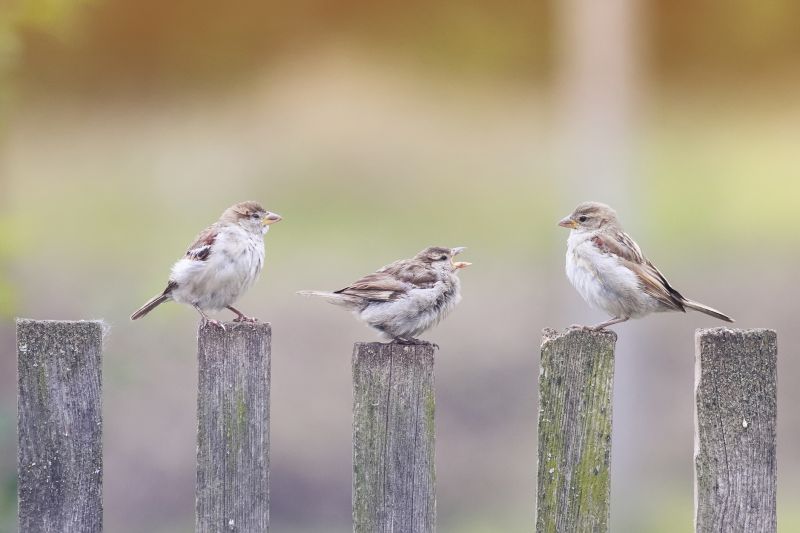
Many homeowners searching for information about why birds nest inside dryer vents and exhaust pipes are often concerned about potential damage or safety risks. They may notice signs of bird activity near their property or find nests blocking vents, which can lead to ventilation problems or even fire hazards. Understanding why this behavior occurs helps property owners recognize the importance of addressing the issue promptly. When birds choose to nest in these areas, it is often because vents and exhaust pipes provide a sheltered, concealed space that offers protection from predators and harsh weather conditions. This natural instinct to seek safe nesting sites can result in blocked vents, which interfere with proper airflow and may cause appliances to malfunction.
This topic is particularly relevant for property owners planning to maintain or upgrade their ventilation systems. Blocked dryer vents and exhaust pipes can cause inefficient operation of appliances, increased energy costs, and potential safety concerns like lint buildup or carbon monoxide accumulation. Bird nests inside these spaces are a common obstacle that can complicate routine maintenance or inspections. Homeowners may also consider installing deterrents or vent covers to prevent future nesting, but these measures often require professional installation or removal. Local service providers specializing in bird removal and vent cleaning can assist with safely removing nests and installing protective devices, helping ensure the ventilation system functions properly and safely.
Properties most frequently affected by nesting birds include residential homes, especially those with accessible vents on roofs or exterior walls. Multi-family buildings, such as apartment complexes, are also common sites for bird nesting in exhaust pipes or dryer vents due to shared ventilation systems and multiple entry points. Rural properties with surrounding trees or open land tend to attract more birds, increasing the likelihood of nesting activity near vents. Additionally, older buildings with less secure or poorly maintained venting systems may be more vulnerable to bird intrusion. Recognizing these property types can help homeowners and property managers understand the importance of regular inspections and timely removal of nests by experienced service providers.
Understanding why birds nest inside dryer vents and exhaust pipes connects directly to ongoing property maintenance and safety plans. Addressing bird nesting issues involves more than just removing nests; it also includes preventing future nesting by installing appropriate vent covers or deterrents. Local contractors who specialize in bird removal and vent cleaning can evaluate the situation, safely remove nests, and recommend measures to keep vents clear. This proactive approach helps avoid costly repairs, reduces fire risks, and maintains the efficiency of appliances and ventilation systems. For property owners dealing with bird activity near vents, partnering with experienced service providers ensures that the problem is handled effectively and safely, supporting long-term property upkeep and safety.
Bird exclusion and nesting prevention - professionals install barriers and deterrents to prevent birds from nesting inside vents and pipes, applying skills similar to pest exclusion projects.
Vent cleaning and inspection services - local contractors perform thorough cleaning of dryer vents and exhaust pipes, which is essential for removing nests and debris caused by bird activity.
Animal removal and wildlife control - experts address bird intrusions into homes and structures, utilizing planning and tools comparable to those used in bird nest removal from vents.
Chimney and vent cap installation - installing caps and covers to prevent animals from entering vents involves planning and installation skills related to bird nest prevention efforts.
Home inspection and damage assessment - assessing structural issues caused by bird nesting inside vents helps identify areas needing repair, similar to evaluating pest-related damages.
Exhaust system maintenance - maintaining and repairing exhaust pipes involves skills that support ensuring vents remain bird-proof and functional over time.
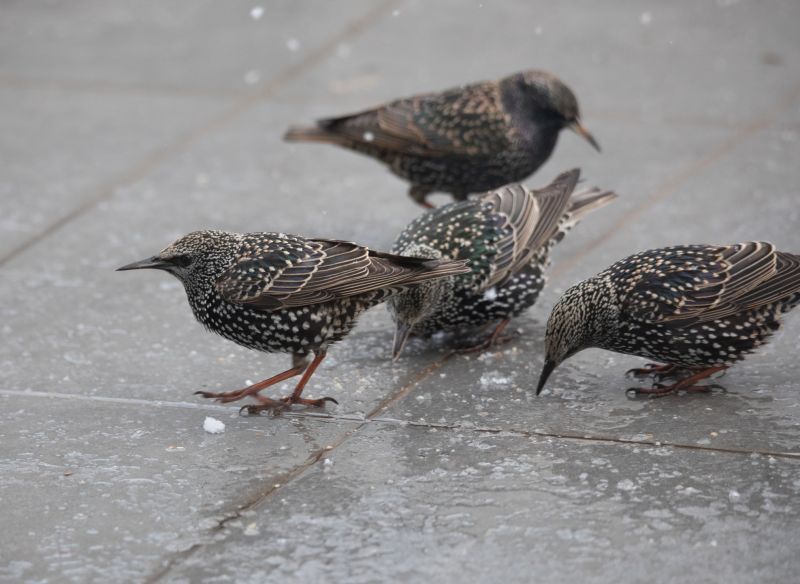
When comparing local service providers for bird removal from dryer vents and exhaust pipes, it's important to consider their experience with similar projects. Homeowners should seek out contractors who have a proven track record in safely and effectively removing bird nests and addressing the specific challenges posed by nesting birds within vent systems. An experienced professional will understand the common reasons birds choose these locations and how to perform the work without causing damage to the venting system or creating further issues. This familiarity can lead to a more thorough removal process and help prevent future nesting problems.
Clear written expectations are essential when evaluating potential service providers. Homeowners should look for contractors who can provide detailed descriptions of the scope of work, including how they plan to remove nests, clean the vents, and inspect for any related damage or blockages. Having a transparent outline of what the job entails helps ensure that both parties are aligned on the work to be performed and reduces the chances of misunderstandings. Well-defined expectations also make it easier to compare different providers based on the thoroughness and professionalism of their proposed approach.
Reputable references and strong communication practices are key indicators of a reliable bird removal service. Homeowners are encouraged to ask for references or reviews from previous clients who had similar work done. This feedback can offer insights into the quality of service, timeliness, and professionalism of the local contractors. Additionally, good communication-such as prompt responses to inquiries and willingness to answer questions-can help homeowners feel confident in their choice. Choosing service providers who prioritize clear, ongoing communication can lead to a smoother experience and better results when addressing why birds nest inside dryer vents and exhaust pipes.
Property owners often search for why birds nest inside dryer vents and exhaust pipes when they are planning practical projects around their homes and businesses. Local pros provide Bird Removal services for everyday jobs and straightforward project options.
Many property owners notice bird activity around their homes and may wonder why birds choose to nest inside dryer vents and exhaust pipes. These areas often provide a sheltered, warm environment that offers protection from predators and harsh weather conditions. Since dryer vents and exhaust pipes are typically located in accessible outdoor spots, they can seem like ideal nesting sites for birds seeking safe places to raise their young. Understanding this behavior can help homeowners recognize the importance of addressing nests promptly to prevent potential blockages or damage.
When birds nest inside dryer vents and exhaust pipes, it can lead to issues such as restricted airflow, increased fire risk, or damage to the vent system. Property owners who discover bird nests or signs of nesting activity are encouraged to seek assistance from local service providers experienced in bird removal and vent cleaning. These professionals can safely remove nests and ensure the vents are clear and functioning properly, helping to prevent future nesting attempts and maintain safe, efficient home operations.
Why do birds nest inside dryer vents and exhaust pipes? Birds often see dryer vents and exhaust pipes as safe, sheltered spots that mimic natural nesting sites like tree cavities or protected ledges, making them attractive for building nests.
What problems can bird nests inside dryer vents cause? Bird nests can block airflow, leading to dryer malfunctions, increased fire risk, and potential damage to the vent system. They may also cause debris buildup and attract pests.
How can local contractors help remove bird nests from vents and pipes? Skilled service providers can safely remove nests, clear blockages, and inspect the vent system to prevent future nesting, ensuring proper airflow and safety.
Are bird nests inside dryer vents a common issue? Yes, bird nesting inside vents and exhaust pipes is a common occurrence, especially in areas with abundant bird populations or accessible vent openings.
What steps can prevent birds from nesting inside vents and exhaust pipes? Installing vent guards or screens can deter birds from accessing the vents, and regular inspections by local service providers can help identify and address nesting early.
Understanding bird nesting habits - Property owners can learn about why birds nest inside dryer vents and exhaust pipes to identify vulnerable areas and prevent future nesting attempts with help from local contractors.
Installing bird-proof vent covers - Using bird-proof vent covers provided by local pros can help block access points and reduce the likelihood of birds nesting inside exhaust systems.
Regular inspection and maintenance - Scheduling routine inspections with local service providers can detect early signs of bird activity and prevent blockages caused by nests inside vents and pipes.
Creating safe nesting alternatives - Local contractors can assist in designing and installing designated nesting boxes away from vents, discouraging birds from nesting inside exhaust pipes.
If you are thinking about why birds nest inside dryer vents and exhaust pipes for a property, this guide is meant to help you understand this topic, the typical project types, and how different options might fit your plans.
When you are ready, you can use the quote form on this page to share a few details about your project. From there, local pros can review the basics and follow up with options that match what you have in mind.